
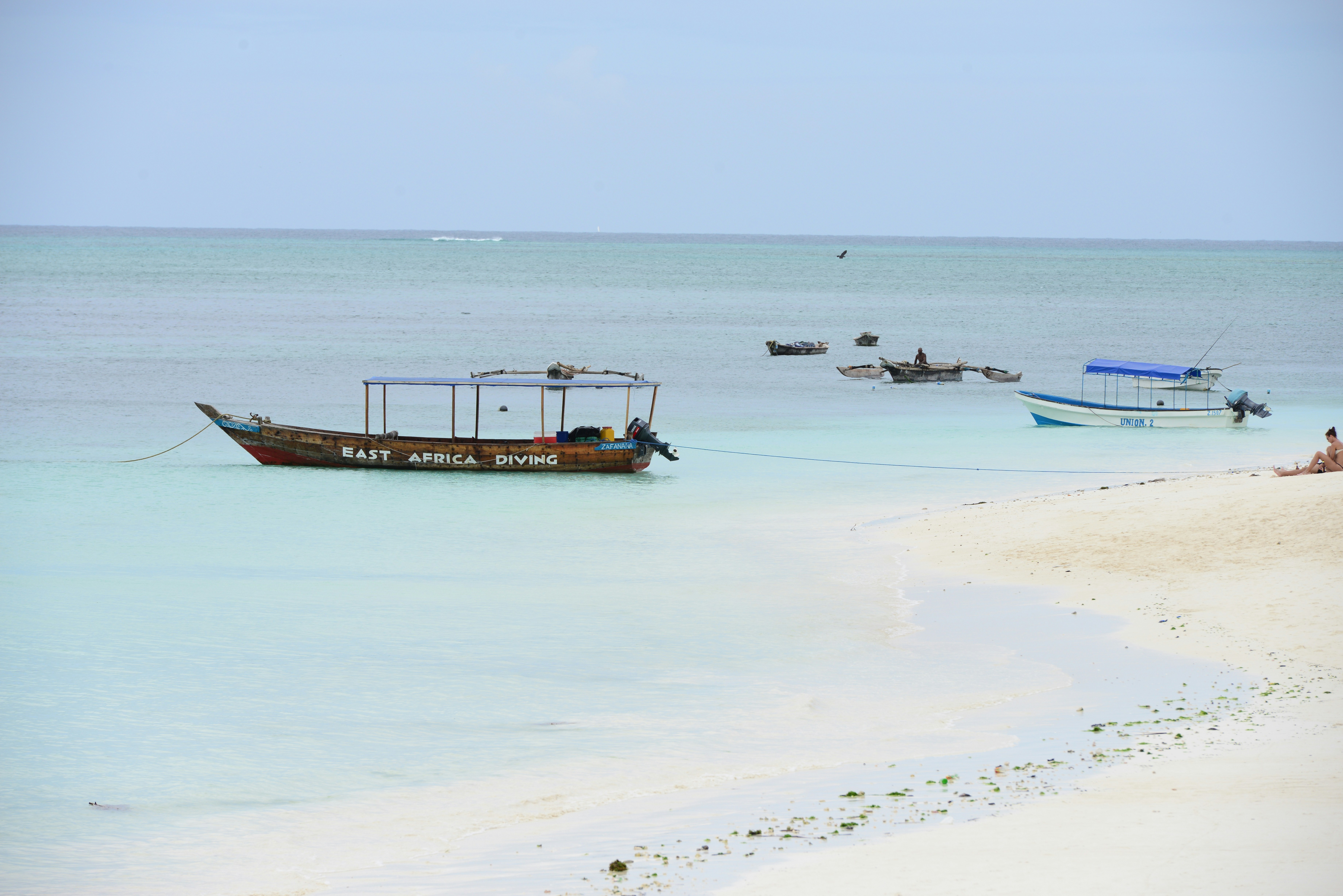
Introduction to Airbnb and Its Popularity in East Africa
Airbnb, a popular online marketplace for short-term lodging, has transformed the way travelers find accommodations across the globe. Since its inception in 2008, the platform has gained significant traction, particularly in East Africa, where it has emerged as a favored lodging option among both international visitors and local travelers. The exponential growth of Airbnb in this region reflects a broader shift towards peer-to-peer sharing economies, which allow hosts to monetize their properties while providing unique and often culturally immersive experiences for guests.
In East Africa, the appeal of Airbnb lies in its ability to cater to diverse traveler demographics, offering various accommodation types, from luxurious villas to affordable homestays. This flexibility allows visitors to choose options that align with their budgets and preferences, enhancing the overall travel experience. Unlike traditional hotel stays, Airbnb accommodations often provide a more personalized touch, allowing guests to engage with local traditions and cultures directly. This aspect is particularly notable in countries like Kenya, Uganda, and Tanzania, where unique cultural experiences await.
Moreover, the rise of technology and increased internet accessibility in East Africa has fueled the popularity of platforms like Airbnb. As smartphone usage becomes more prevalent, travelers can easily browse listings, read reviews, and connect with hosts, making the booking process seamless and efficient. The platform also grants hosts the opportunity to reach a global audience, contributing to the local economy by creating job opportunities and stimulating commerce in the area. This mutually beneficial relationship marks a step towards sustainable tourism, showcasing the rich diversity and hospitality that East Africa has to offer.
Understanding the East African Travel Market
East Africa is becoming increasingly popular as a travel destination, drawing in visitors from around the globe. Renowned for its breathtaking landscapes, rich biodiversity, and vibrant cultures, key destinations within this region include Kenya, Tanzania, Uganda, and Rwanda. Each of these countries offers unique attractions, appealing to a wide array of preferences and interests among travelers.
Kenya is famous for its iconic national parks, like the Maasai Mara, where dramatic wildlife migrations can be witnessed. Meanwhile, Tanzania boasts Mount Kilimanjaro, the highest peak in Africa, and the Serengeti National Park, another premier safari destination. Uganda is known for its lush rainforests and is home to the rare mountain gorillas, providing a deeply immersive experience for nature enthusiasts. Rwanda, often called the “Land of a Thousand Hills,” is recognized for its conservation efforts and offers fascinating cultural experiences, including insight into the life of the indigenous Batwa people.
The cultural diversity across these nations is immense, with over 200 ethnic groups each contributing to the rich tapestry of languages, traditions, and culinary experiences. Understanding these cultural aspects is vital for travelers looking to engage meaningfully with local communities. Furthermore, seasonal travel trends significantly impact the East African travel market. Peak seasons, often aligned with wildlife migrations or the good weather conducive to outdoor activities, typically see a surge in visitors, particularly from June to October and December to February. Alternatively, the low season offers reduced rates, fewer crowds, and an intimate experience of local culture.
Travelers can expect a blend of modern amenities and traditional experiences when visiting East Africa, shaping an adventure that is both comfortable and authentic. With the rise of digital platforms like Airbnb, securing accommodations that meet diverse needs has become more accessible, allowing tourists to engage more deeply with their destinations.
Searching for the Ideal Airbnb Accommodation
Finding the perfect Airbnb accommodation can transform your travel experience in East Africa or any other destination. To start, utilize the search filters provided on the Airbnb platform. These filters allow you to narrow down your options based on various criteria, including price range, type of accommodation, guest capacity, and required amenities. By precisely defining your needs, you significantly enhance your chances of locating a suitable place to stay.
Once you have your results, take the time to read through the reviews left by previous guests. Reviews can offer invaluable insights into the quality and reliability of the listing. Look for comments about cleanliness, host responsiveness, and the accuracy of the listing description. Pay particular attention to any recurring themes in the feedback, as these can provide a clearer perspective on what to expect during your stay.
When considering an Airbnb listing, the importance of amenities cannot be overstated. Ensure that the property provides essential features that align with your travel needs. This may include internet access, kitchen facilities, laundry options, or air conditioning, especially given the diverse climates across East African regions. Double-check the amenities listed and confirm that they meet your requirements to avoid any inconveniences upon arrival.
Moreover, evaluating location is vital in your search for accommodations. East Africa boasts various attractions, from natural wonders to vibrant cities, so consider proximity to these sites. Assess the area by checking the map view on Airbnb; this will help you identify whether the accommodation is conveniently located near public transportation, restaurants, and local attractions. With thoughtful planning and the right tools, you can expedite the search for your ideal Airbnb accommodation, ensuring an enjoyable and memorable trip.
Factors to Consider When Booking in East Africa
When considering an Airbnb accommodation in East Africa, travelers should assess several critical factors to ensure a safe and enjoyable stay. Firstly, safety is of paramount importance. Evaluate the neighborhood where the listing is located, taking into account local crime rates and theft occurrences. User reviews often provide insights into safety concerns that may not be apparent from photographs or the listing description. Additionally, if you are traveling solo or as a female traveler, ensure that the property offers secure entrances and is situated in a well-lit area.
Another essential consideration is accessibility. East Africa is diverse in terrain and infrastructure, which affects the ease of travel to certain locations. If you plan to explore national parks, beaches, or urban centers, proximity to transport hubs is vital. Review the transportation options available, such as public transit and the availability of ride-sharing services. Consider whether the property features amenities that accommodate your needs, especially if you are traveling with children or elderly companions.
Understanding local customs and cultural norms is also crucial when choosing an accommodation. East African countries, including Kenya, Tanzania, and Uganda, boast rich traditions that influence lifestyle and etiquette. Aspects such as dress codes, social interactions, and meal times can vary significantly. Familiarizing oneself with these customs helps prevent unintentional offenses and enhances the overall experience with host families. Furthermore, check for properties that are responsive to guests’ needs concerning dietary preferences and cultural practices.
In addition, carefully evaluate the suitability of listings pertaining to your travel style. Whether you are a solo backpacker, a family on vacation, or a business traveler, seek accommodations that offer the specific environment and facilities required for your stay. Keywords such as “family-friendly,” “business-ready,” or “boutique” can help refine your search effectively, matching your needs to the right property.
Tips for Communicating with Hosts
Effective communication with your Airbnb host is vital for ensuring a pleasant stay and a smoother booking experience. To commence, reach out to your potential host with a polite and clear message. This initial contact can serve as an opportunity to ask relevant questions regarding the property, such as its amenities, check-in procedures, or any unique house rules. By being specific in your inquiries, you demonstrate your seriousness as a guest and your desire for clarity, which can lead to a more satisfactory interaction.
It is also advisable to confirm the booking details after the initial agreement, including the date of arrival, length of stay, and any special requests you may have. A concise message summarizing these elements not only assures your host that you are organized but may also serve to prevent any misunderstandings that can arise as your travel date approaches. Respectful and timely communication can significantly mitigate any potential conflicts.
Establishing a good rapport with your Airbnb host can greatly enhance your overall experience. Engage in light conversation, express gratitude for their assistance, and share your excitement about your upcoming stay. This personal touch can foster a cordial relationship, making hosts more likely to accommodate your needs or provide special recommendations during your visit. Remember, a host who feels appreciated is often more willing to go the extra mile to ensure you have a fulfilling experience.
In conclusion, communicating effectively with your Airbnb host is key to maximizing your enjoyment of the accommodations. By asking relevant questions, confirming important details, and building a friendly rapport, you can facilitate a positive interaction that enhances your stay, whether in East Africa or beyond.
Local Experiences and Activities Offered by Hosts
When traveling to East Africa, one of the most enriching aspects of booking an Airbnb accommodation is the opportunity to engage with local hosts who often provide unique experiences and activities. These offerings can significantly enhance a traveler’s visit, allowing for a deeper understanding of the culture and lifestyle endemic to the region.
Many hosts offer guided tours that showcase the area’s natural wonders, wildlife, and historical landmarks. For example, visitors can partake in safari excursions led by knowledgeable locals who share insights about the ecosystem and conservation efforts in places like the Serengeti or Maasai Mara. These guided experiences not only provide a thrilling adventure but also foster an appreciation for the region’s biodiversity.
Cooking classes are another popular offering among Airbnb hosts in East Africa. These classes provide travelers with the chance to learn about traditional recipes and cooking techniques using local ingredients. Participants often find themselves immersed in the vibrant flavors of East African cuisine, as they prepare dishes such as ugali, samosas, or nyama choma under the guidance of skilled local chefs. Such hands-on experiences not only satisfy culinary curiosity but also create lasting memories tied to the food culture of the region.
In addition to tours and cooking classes, many hosts organize cultural events, including traditional music and dance performances. These gatherings allow travelers to engage with the community and witness the rich tapestry of cultural expressions that define East Africa. By participating in these activities, guests can develop a more profound appreciation for the local heritage, fostering meaningful connections with the people and places they visit.
Ultimately, the local experiences and activities offered by Airbnb hosts in East Africa can transform a standard trip into an extraordinary one, providing engaging interactions and memorable encounters that highlight the essence of the region.
Safety and Security Considerations
Traveling in East Africa can be a uniquely enriching experience, but it is essential for travelers to prioritize safety and security while booking and staying in Airbnb accommodations. Various factors must be taken into account to ensure a secure lodging experience.
One of the primary guidelines is to conduct thorough research on the neighborhood where the Airbnb property is located. Utilize resources such as travel forums, local blogs, or crime statistics to assess the overall safety of the area. Pay attention to reviews from previous guests, as they often provide insights into positive or negative experiences related to safety. Select neighborhoods that are well-frequented by tourists and have a reputation for being safe and welcoming.
Moreover, while booking an accommodation, look for properties that offer safety features. Popular listings are often equipped with secure locks, security cameras, and well-lit entrances. Some hosts may even provide information on nearby hospitals or police stations, which can be invaluable in case of emergencies.
Once settled in your Airbnb, maintain personal safety by familiarizing yourself with the property’s layout and emergency exits. It’s prudent to inform someone you trust about your location, especially if traveling alone. Be cautious about sharing your accommodation details on social media platforms, as this information can be exploited by individuals with malicious intent.
Utilizing a code-based lock or a smart key can further bolster your security. Additionally, carry only what is necessary while exploring the area, avoiding flashy jewelry or expensive gadgets that may attract unwanted attention. It remains crucial to trust your instincts; if a situation feels unsafe or uncomfortable, seek assistance or leave the area promptly.
In summary, by being proactive and vigilant, travelers can enhance their safety while enjoying their Airbnb experience in East Africa. Taking the time to research and implement safety measures will pave the way for a secure and enjoyable journey.
Navigating Challenges When Booking and Staying in East Africa
Travelers venturing into East Africa may face several challenges, particularly when booking accommodations via platforms like Airbnb. Recognizing and addressing these issues can significantly enhance the travel experience. One of the primary hurdles includes language barriers. In many regions, English is not widely spoken, which can complicate the booking process and communication with hosts. It is advisable to use simple, clear phrases or translation applications to facilitate better dialogue.
Infrastructure can pose another significant challenge. In certain areas, electricity supply can be inconsistent, and internet connectivity may fluctuate. This unpredictability can impact communication with the Airbnb hosts and hinder the process of addressing any urgent queries or concerns. It is prudent to ensure that you check prior reviews of the accommodations regarding reliability in terms of amenities and communication reliability before making a reservation.
Moreover, local transportation may differ from what travelers are accustomed to. Public transport options might be limited, making it necessary to pre-arrange airport pickups or local transportation through the Airbnb host. Engaging with the host regarding these logistics beforehand enhances understanding and reduces uncertainty upon arrival.
Further challenges may include safety concerns in specific areas. It is essential to conduct thorough research on the locality where the Airbnb accommodation is situated. Reading the reviews from previous guests can provide insights into safety and the general neighborhood vibe, enabling better-informed decisions.
Ultimately, well-informed planning and open communication with Airbnb hosts can effectively mitigate many of these challenges, ensuring a smoother and more enjoyable stay in East Africa.
Conclusion and Final Thoughts
In conclusion, utilizing Airbnb accommodations in East Africa presents a myriad of advantages for travelers seeking unique and memorable experiences. Throughout this guide, we have explored the diverse options available on the platform, ranging from cozy urban apartments to breathtaking countryside retreats. These accommodations often provide not only comfort and convenience but also a chance to immerse oneself in the local culture.
Travelers can benefit from the affordability of Airbnb listings, which can often be more budget-friendly than traditional hotels. This economic advantage, coupled with the variety of choices, makes Airbnb an increasingly popular option among those exploring East Africa and its remarkable landscapes. Additionally, many hosts offer personal insights and recommendations, enriching the travel experience beyond mere lodging.
Moreover, the flexibility in booking and the opportunity to stay in unique spaces help distinguish Airbnb from conventional hospitality options. As travelers become more adventurous, they seek out accommodations that offer a semblance of home while allowing them to explore new environments. This is particularly relevant in destinations rich in cultural heritage and natural beauty, like East Africa.
As you plan your next travel adventure, consider Airbnb as a viable accommodation option. By choosing this platform, you not only secure a place to stay but also support local hosts directly. This can lead to a more authentic and rewarding travel experience. East Africa awaits, and with the right accommodations, your journey can become even more fulfilling and memorable.
